LISTENING ROOM →

ISMO LAAKSO / OFELIA ADRASTEA

Two names.
The same restless musical mind.

Compositions, electronics and acoustic traces from several decades. Ofelia Adrastea is another name for Ismo Laakso's music — a space of its own for a more solitary and less easily defined expression.

RELEASES

Selected records

Ofelia album cover

Ismo Laakso

Ofelia

2018Listen on Spotify
Read more / Reviews

Lost in a drawer for nearly two decades, Ofelia emerged sounding less like an archival discovery than a transmission from music's possible future. Written and produced between 1996 and 1999, the album folds industrial electronics, fractured voices, jazz timing, chamber music and field recordings into a singular, dreamlike world.

“A wild pre-echo of Mica Levi, Teresa Winter and Paavoharju.”

Boomkat · UK

“Delicate, careful, and extraordinarily creepy.”

Doklands

“80's industrial sounds blend with neo classical parts and contemporary drone music.”

Hard Wax · Berlin
Horse Heart album cover

Ofelia Adrastea

Horse Heart

2025Listen on Spotify

Music made for Senja Sidoro’s visceral meeting of dance and body suspension — an intensely physical work in which the body, emotion and sound are placed under the same tension.

Adapted from Senja Sidoro’s introduction to Horse Heart
In Search of the Invisible album cover

Ofelia Adrastea

In Search of the Invisible

2026Listen on Spotify

Music from Ter Minator, Sami Saikkonen’s stark and fearless solo work: a personal, exposed and visually charged performance transformed into an album of its own.

Adapted from the presentation of Sami Saikkonen’s Ter Minator
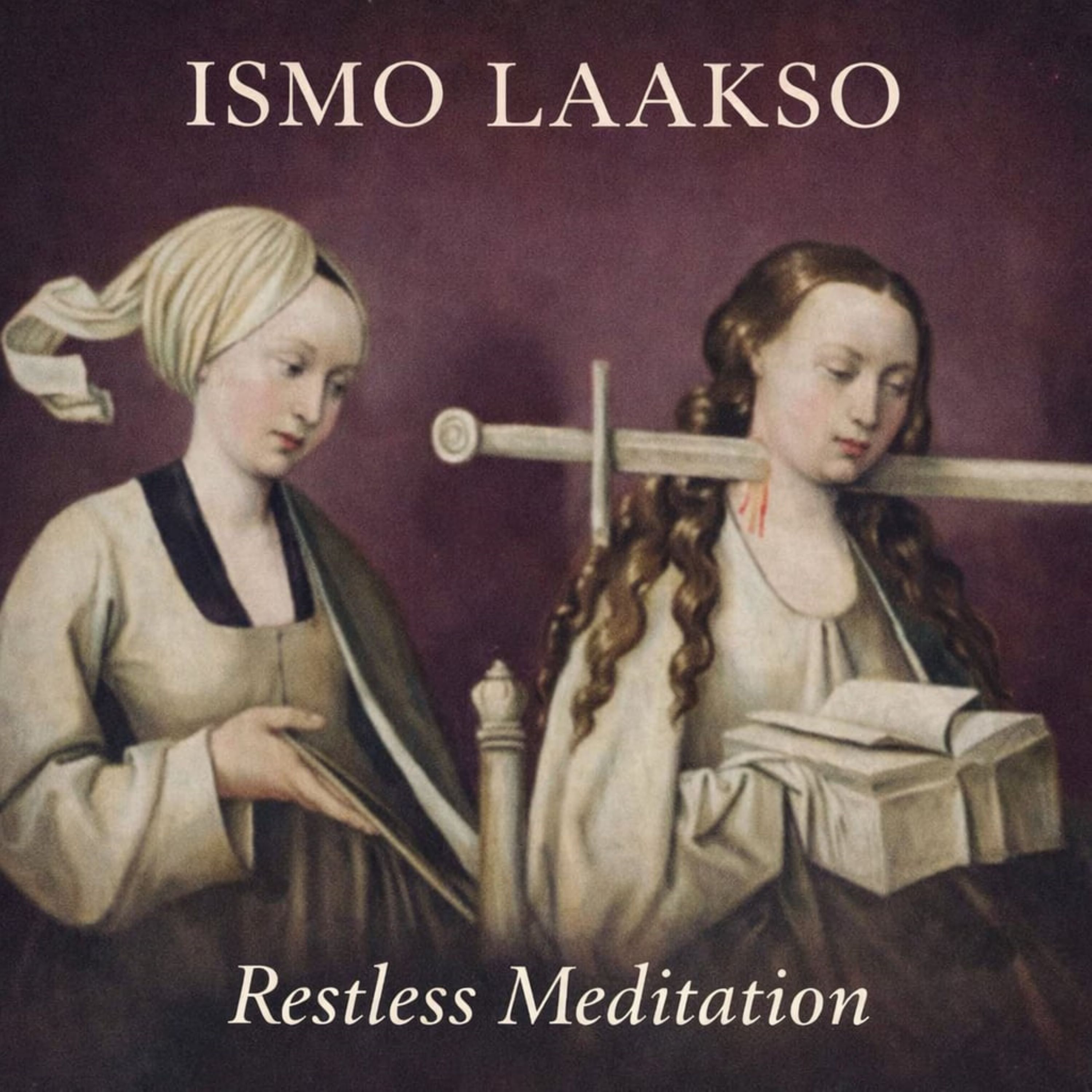
Restless Meditation album cover

Ismo Laakso

Restless Meditation

2026Listen on Spotify

A meditation that refuses to sit still. Acoustic traces, electronics and unstable rhythms form a concentrated inner landscape — calm and disturbance occupying the same room.

Adapted from Plastic Passion’s original introduction
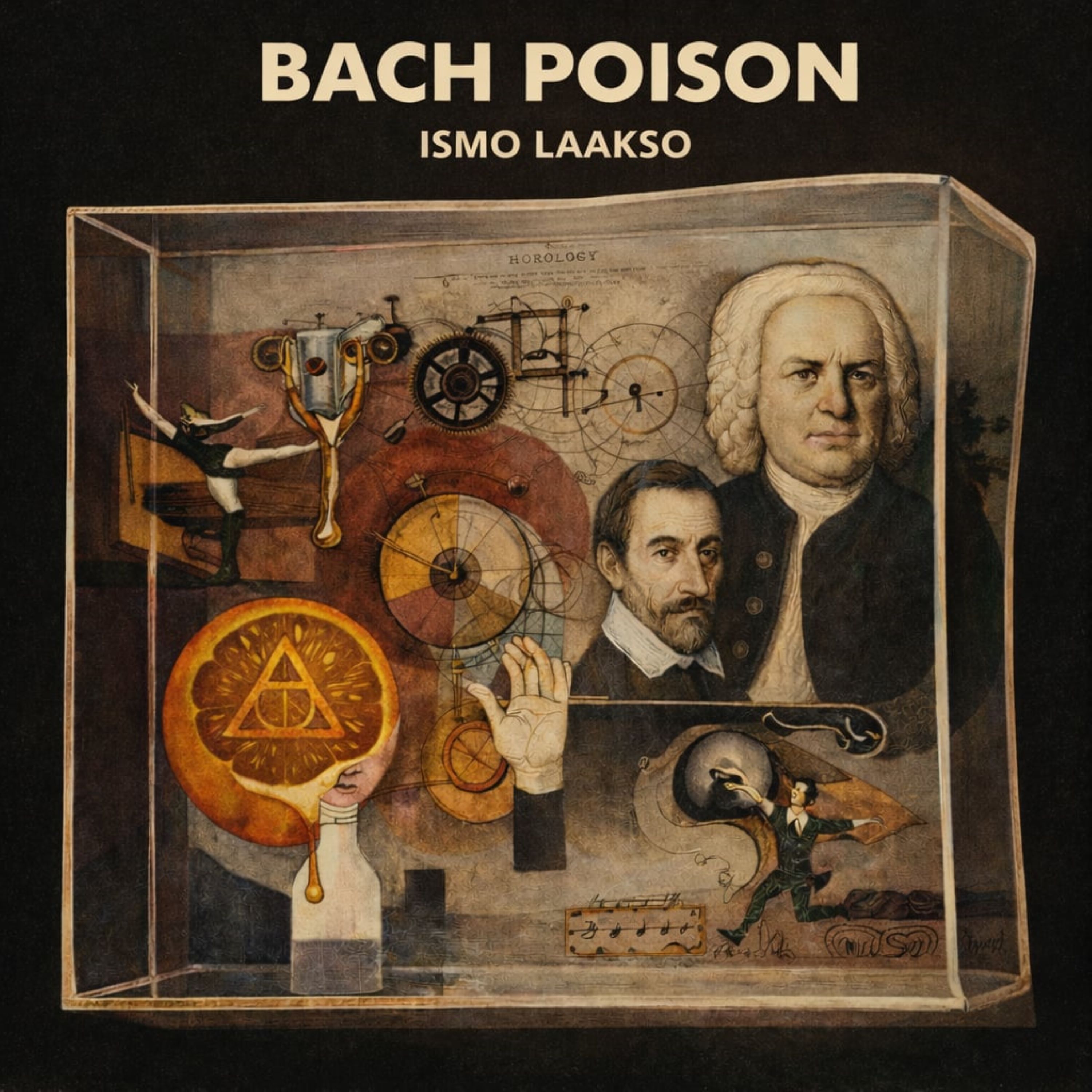
Bach Poison album cover

Ismo Laakso

Bach Poison

2026Listen on Spotify

Born from music written for ballet, Bach Poison lets historical forms mutate inside electronics, repetition and bodily rhythm. Baroque memory enters the machine and comes back altered.

Adapted from Plastic Passion’s original introduction
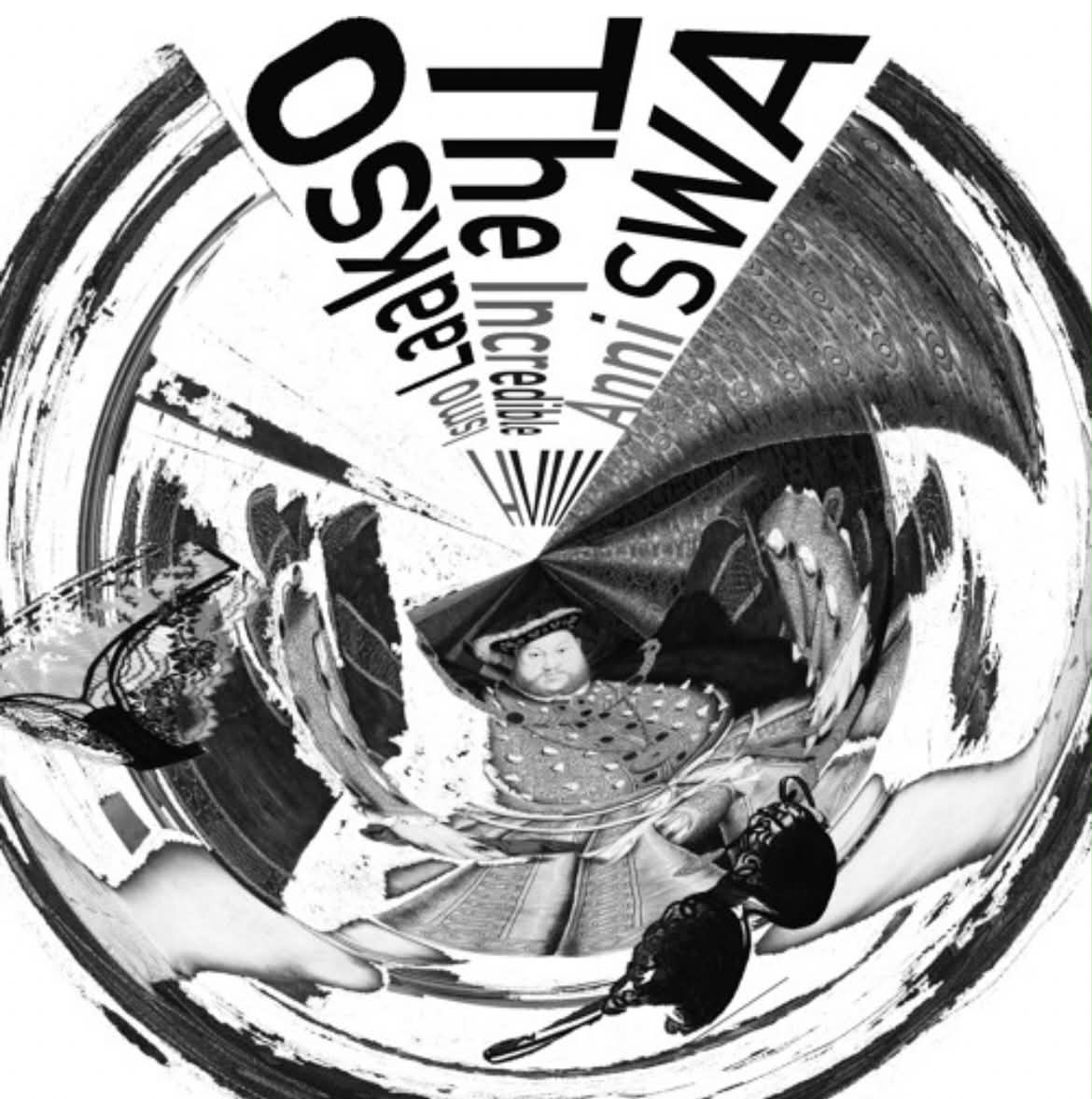
H8 album cover

Ismo Laakso

H8

Listen on SoundCloud
Read more

From Plastic Passion's original introduction to H VIII

H VIII is an album of musique concrète. It has no concern for traditional keys, nor for the rules of conduct imposed upon music. The material was originally composed for the stage work H8, which told of King Henry VIII of England (1491–1547) and his complex and violent relationships with his many wives.

The letters written by Henry and his wives to one another, and to the dignitaries of the realm, provided the compositions with their stories and texts. Their winding, centuries-old language sits within harmony torn apart and spun through the wringer of a multidimensional washing machine like a false morel in a concrete jungle.

Strange as it may sound, the music was originally written in notation, from which it seeped and migrated into the realm of electronic noise. The music and texts take human form in the inspired madness of Anni Koskinen, a specialist in Renaissance music and the soloist on H VIII. Without her, none of this would have been possible.

Ismo Laakso's unsettling soundscapes bend themselves into lucid soprano arias as readily as into infernal fits of hysteria. How, then, should one approach H VIII? Experience it as sound sculpture, perhaps, or as architecture unfolding within an acoustic environment, if you wish.

In a certain sense, H VIII continues the work of Laakso's long-running group AD, even though it appears under a different name.

Textual sources

  1. Shakespeare: Henry VIII, Act II, Scene IV — Henry to Catherine of Aragon
  2. Letter to Cardinal Wolsey, 1518
  3. Letter to Cardinal Wolsey, 1529
  4. Letter to Anne Boleyn, 1527
  5. Letter to Archbishop Cranmer, 1533
  6. Without Discord, a poem dating from 1509–1520