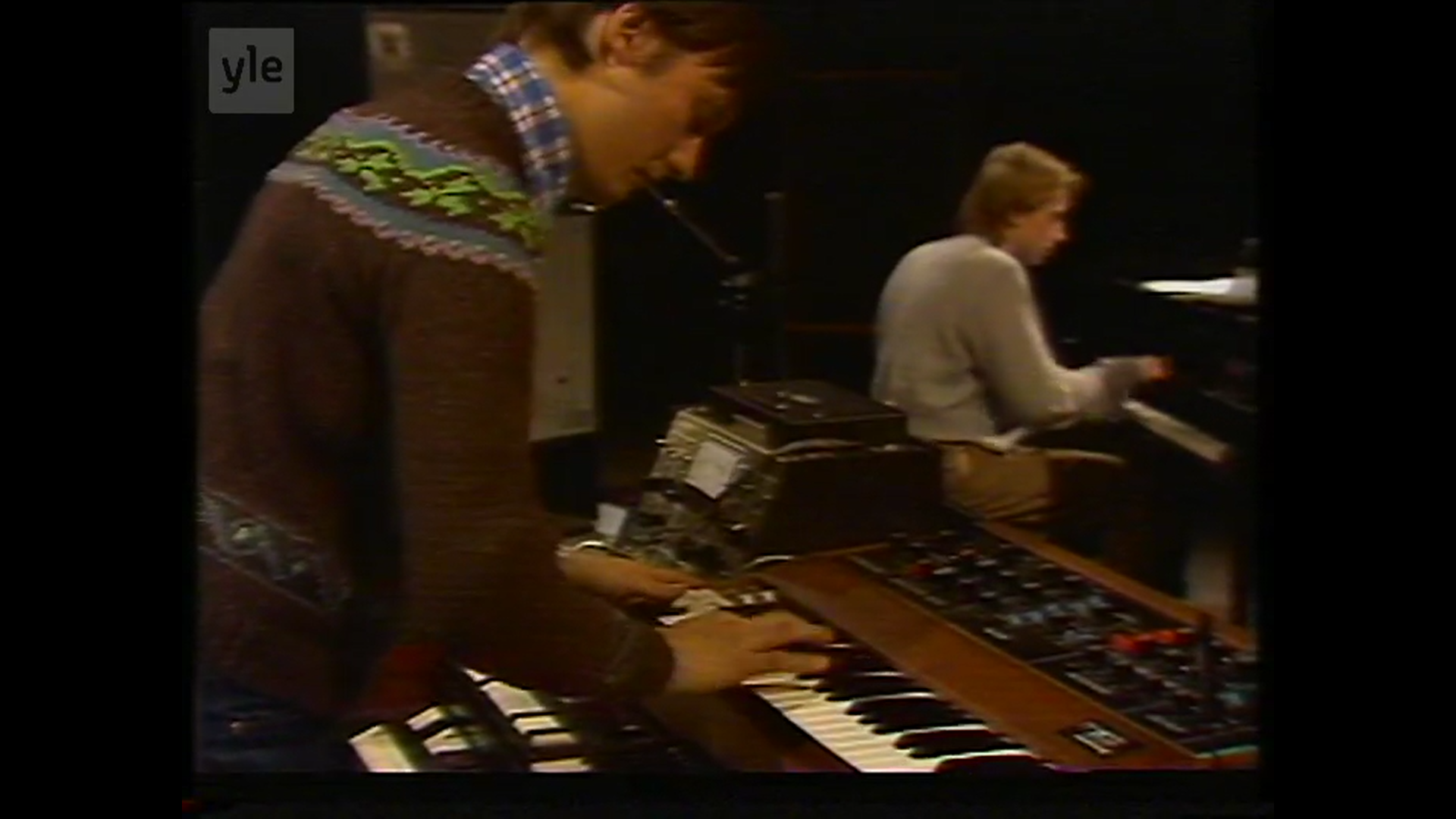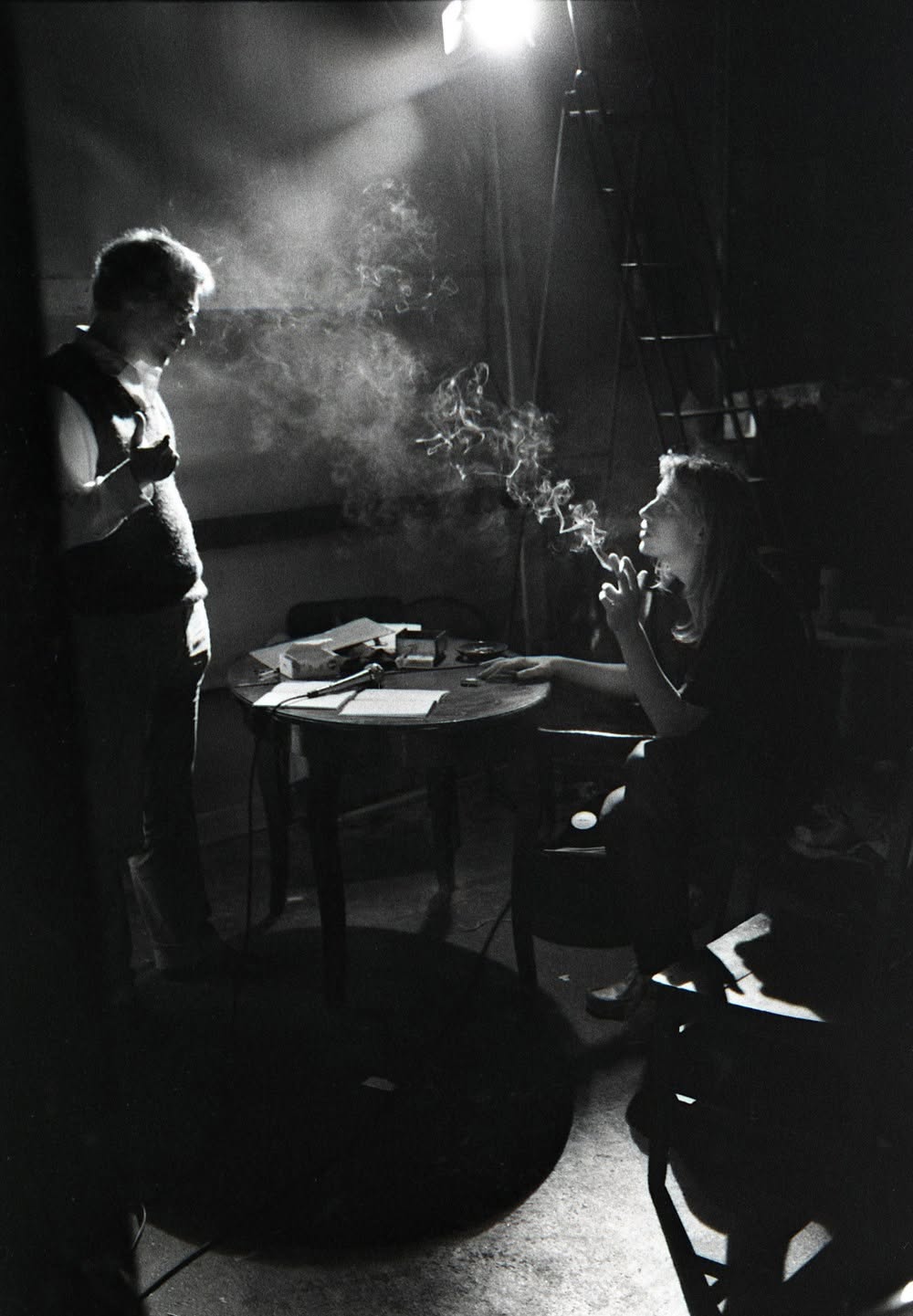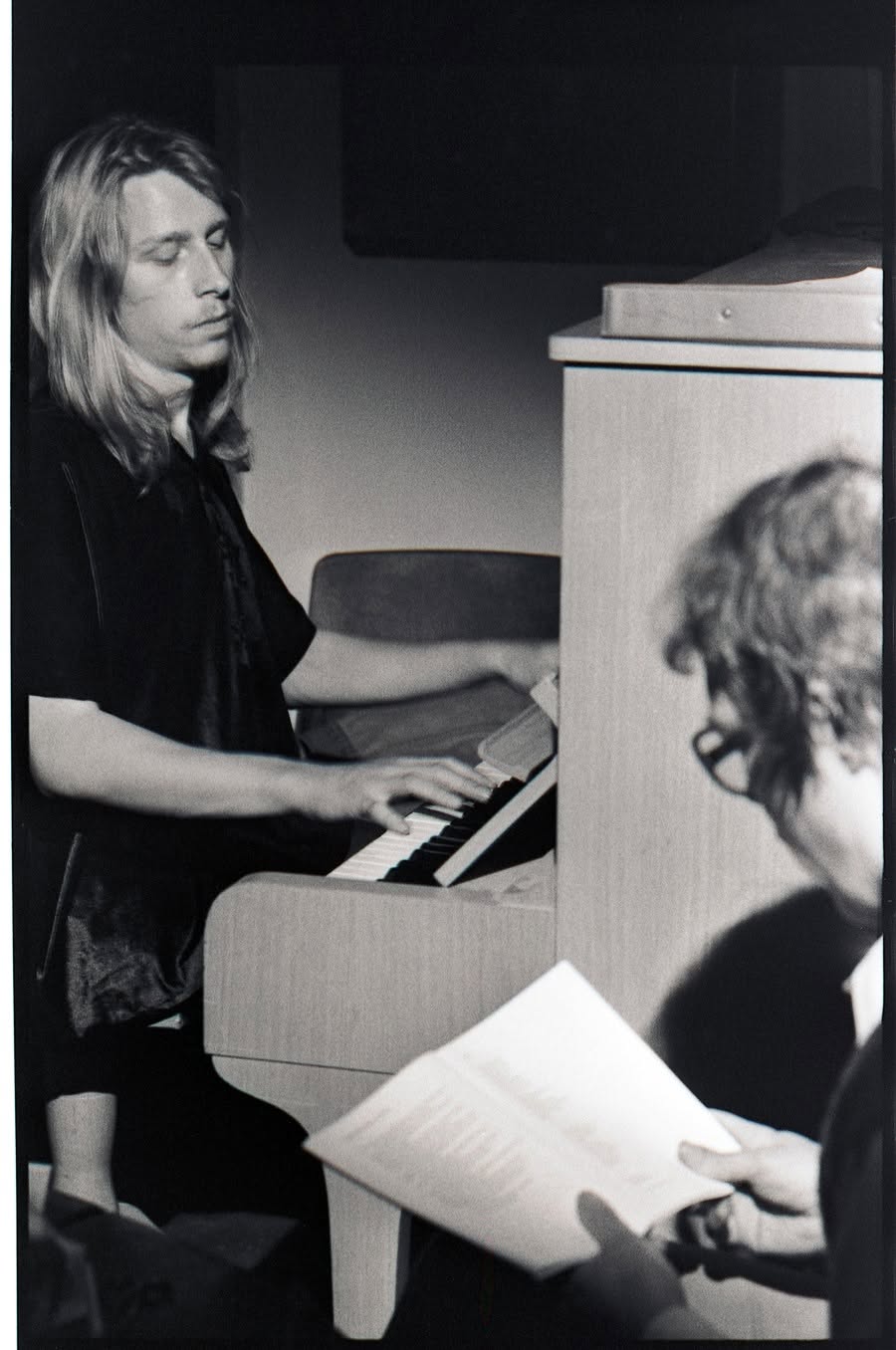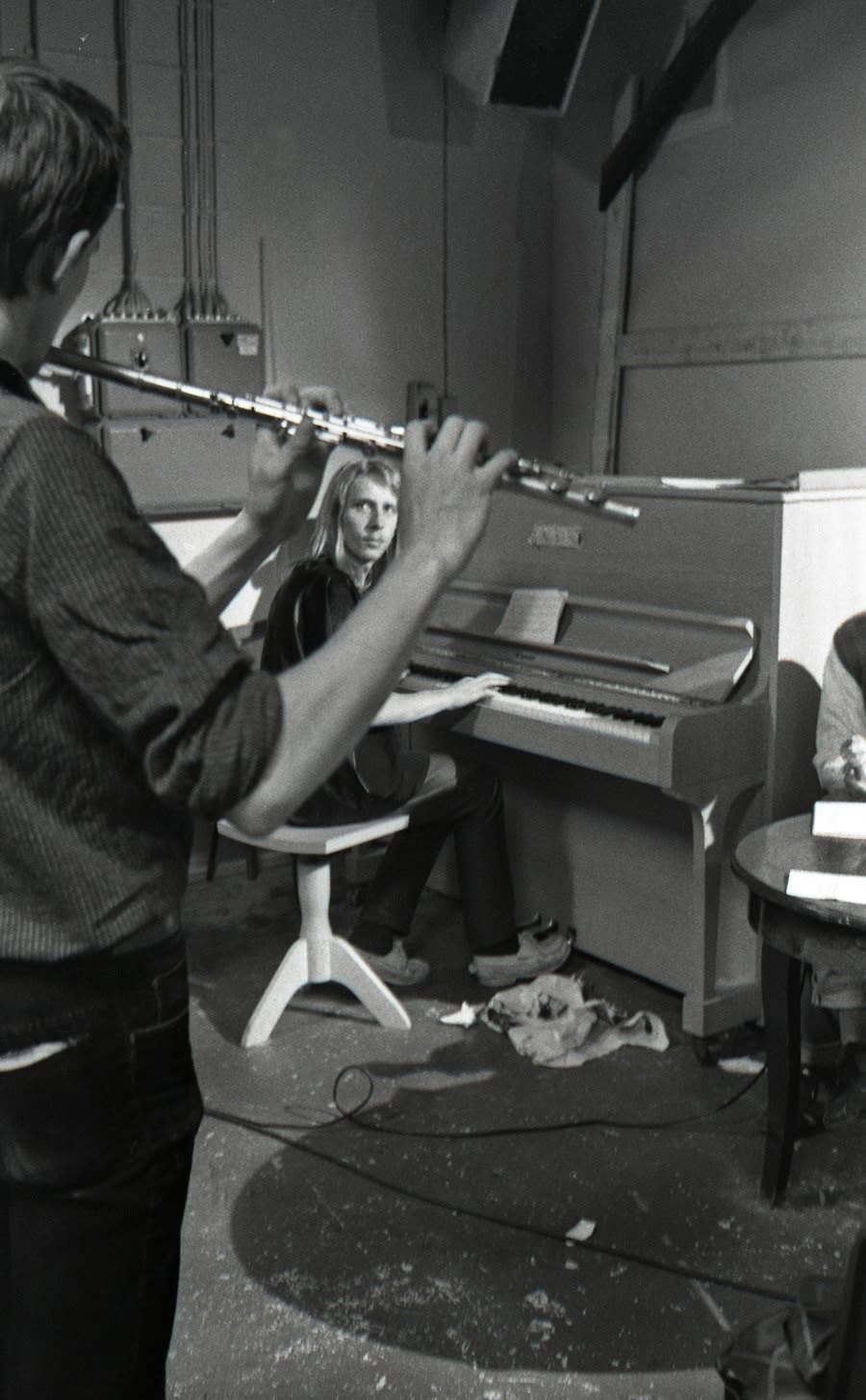
Kurtz began as a band led by writer and singer Matti Laine and Vesa Kankaanpää. They asked Ismo Laakso to listen to their songs and help the group find its direction. What began as advice grew into a lasting collaboration: Laakso played keyboards, conducted, arranged and produced, reshaping the harmonies, melodies and arrangements into one coherent musical world.
“If we could have chosen our own time and place, Kurtz would have done very well in Berlin in 1927.”
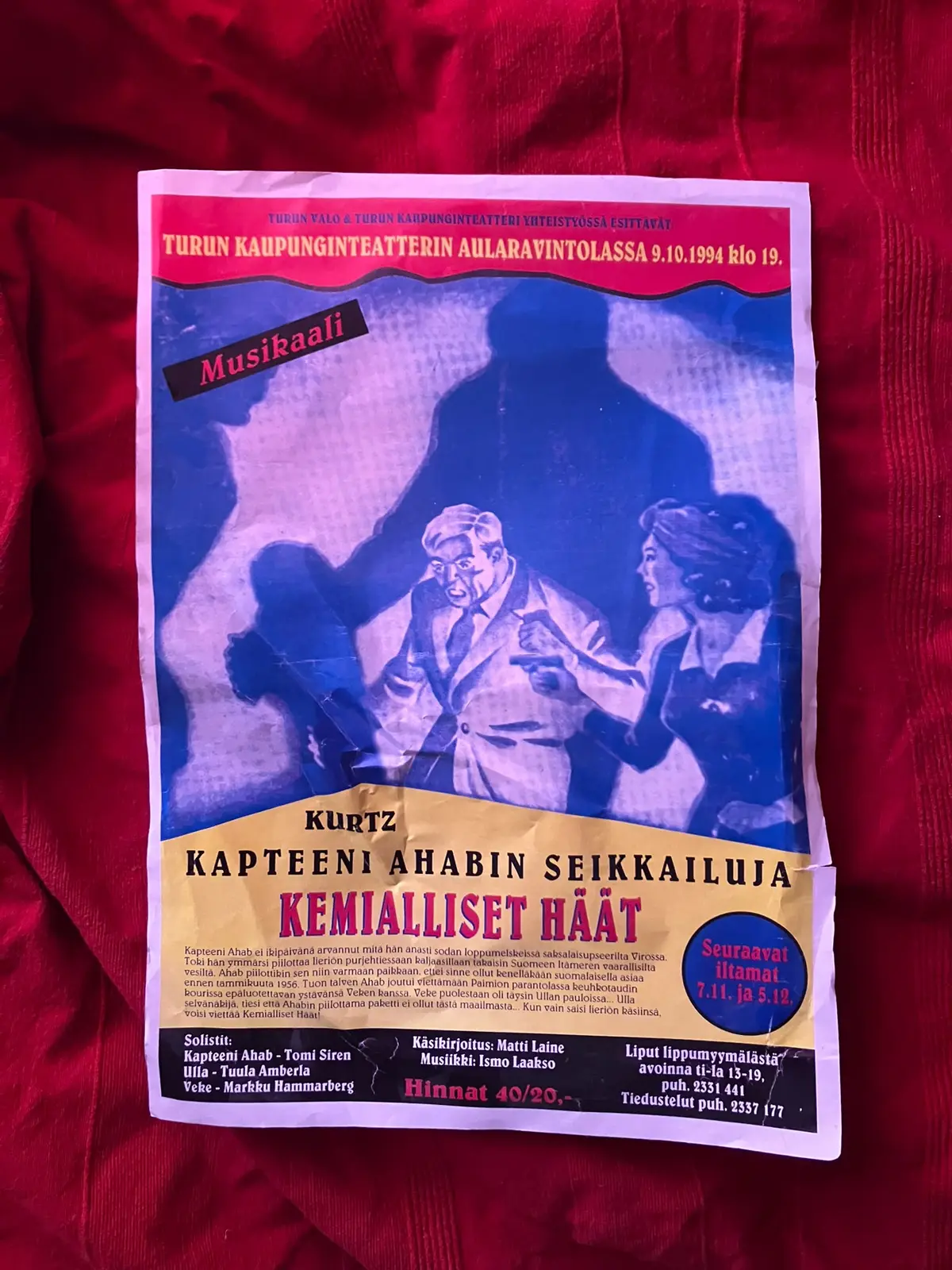
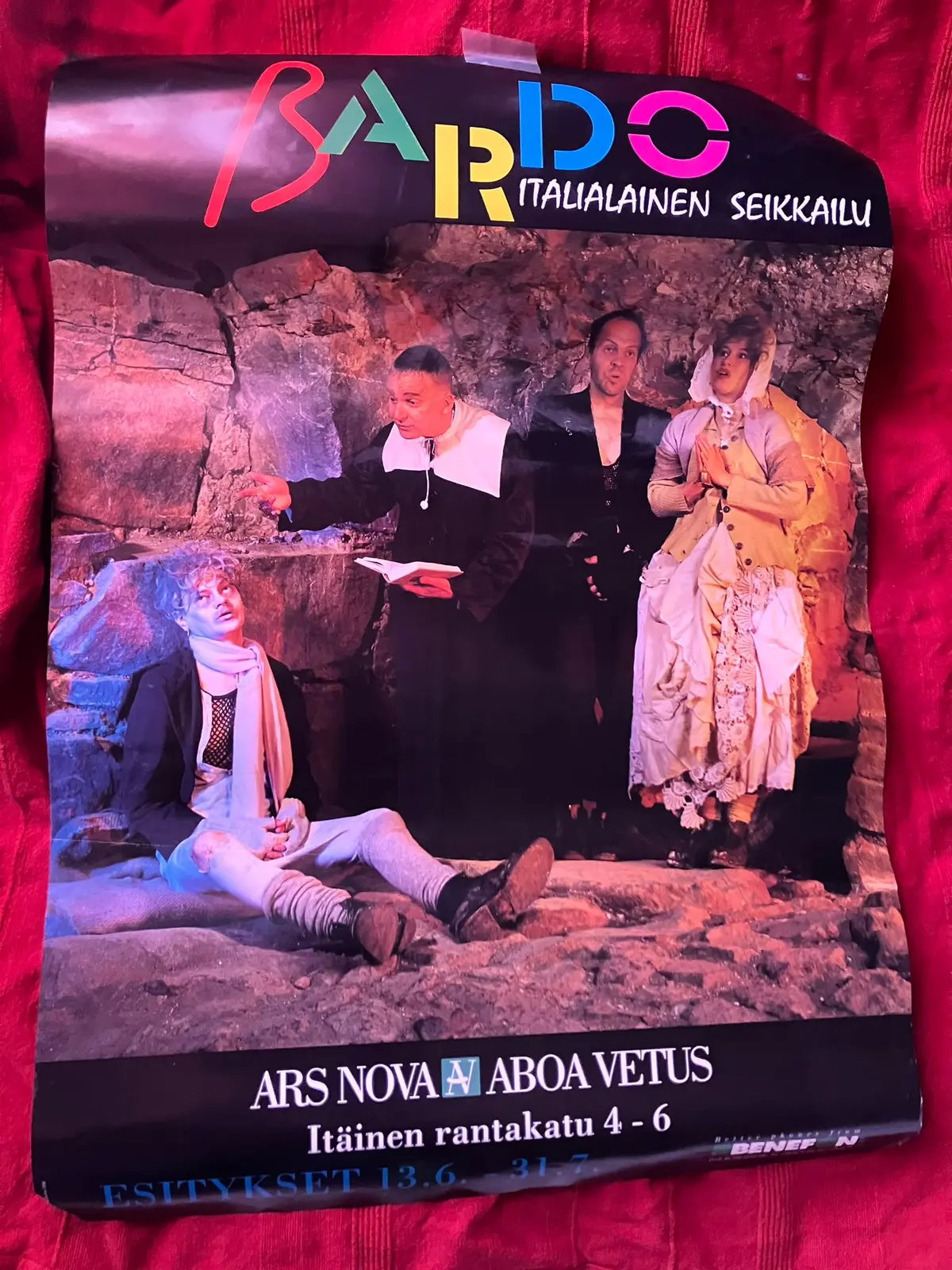
Kurtz was never a rock band. Its world joined cabaret, sailors’ songs and theatre. The maritime spirit was quite literal: on early summer tours the musicians sailed through the Finnish archipelago, carried their instruments ashore and played at agreed stops — with smoked fish and beer along the way. The group later expanded into a multidisciplinary theatre ensemble, creating the stage works Bardo and Kapteeni Ahabin seikkailuja: Kemialliset häät.
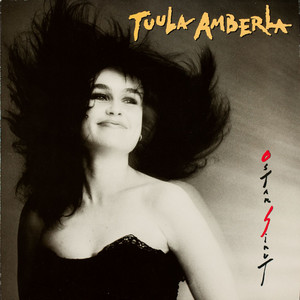
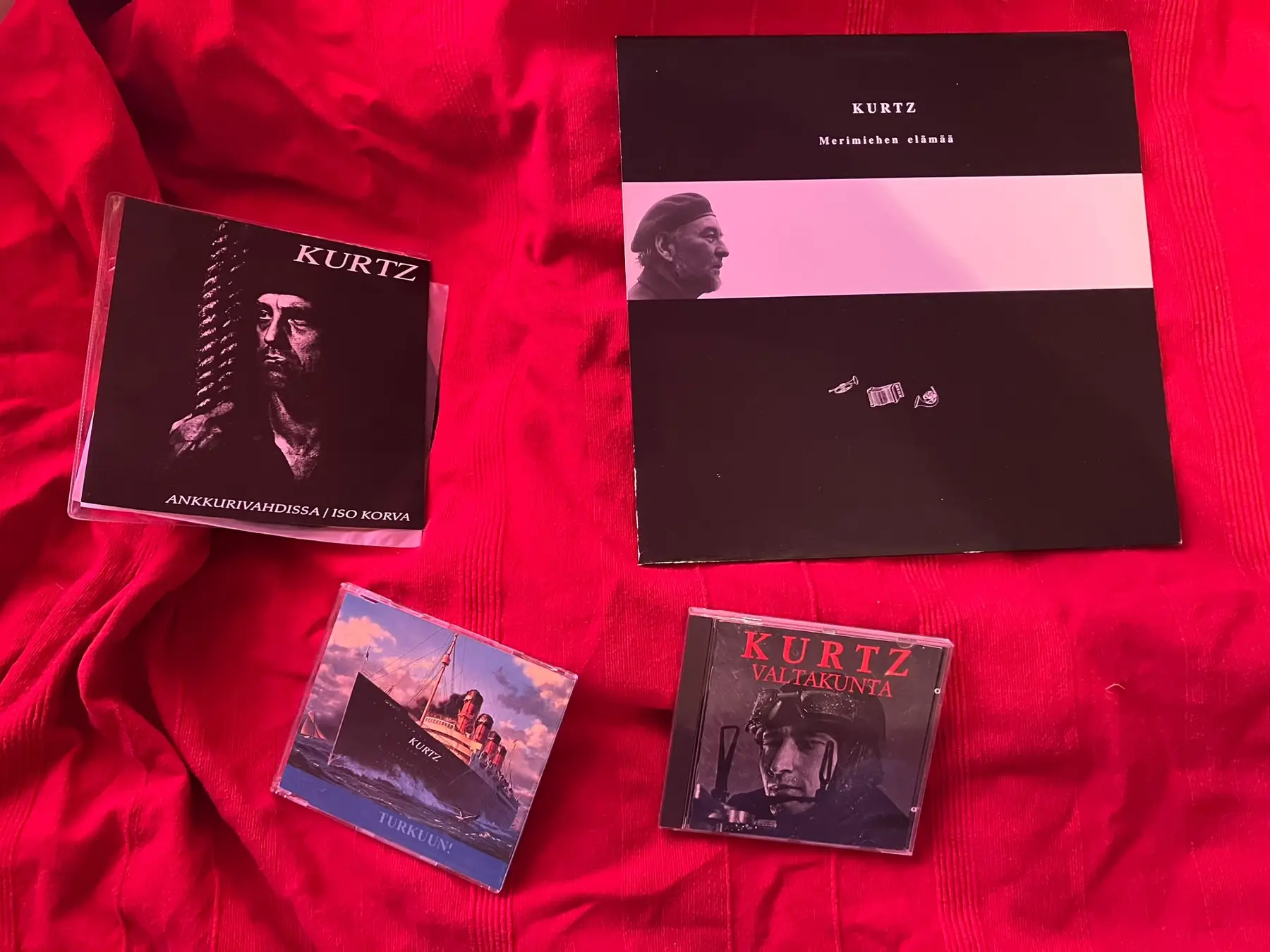
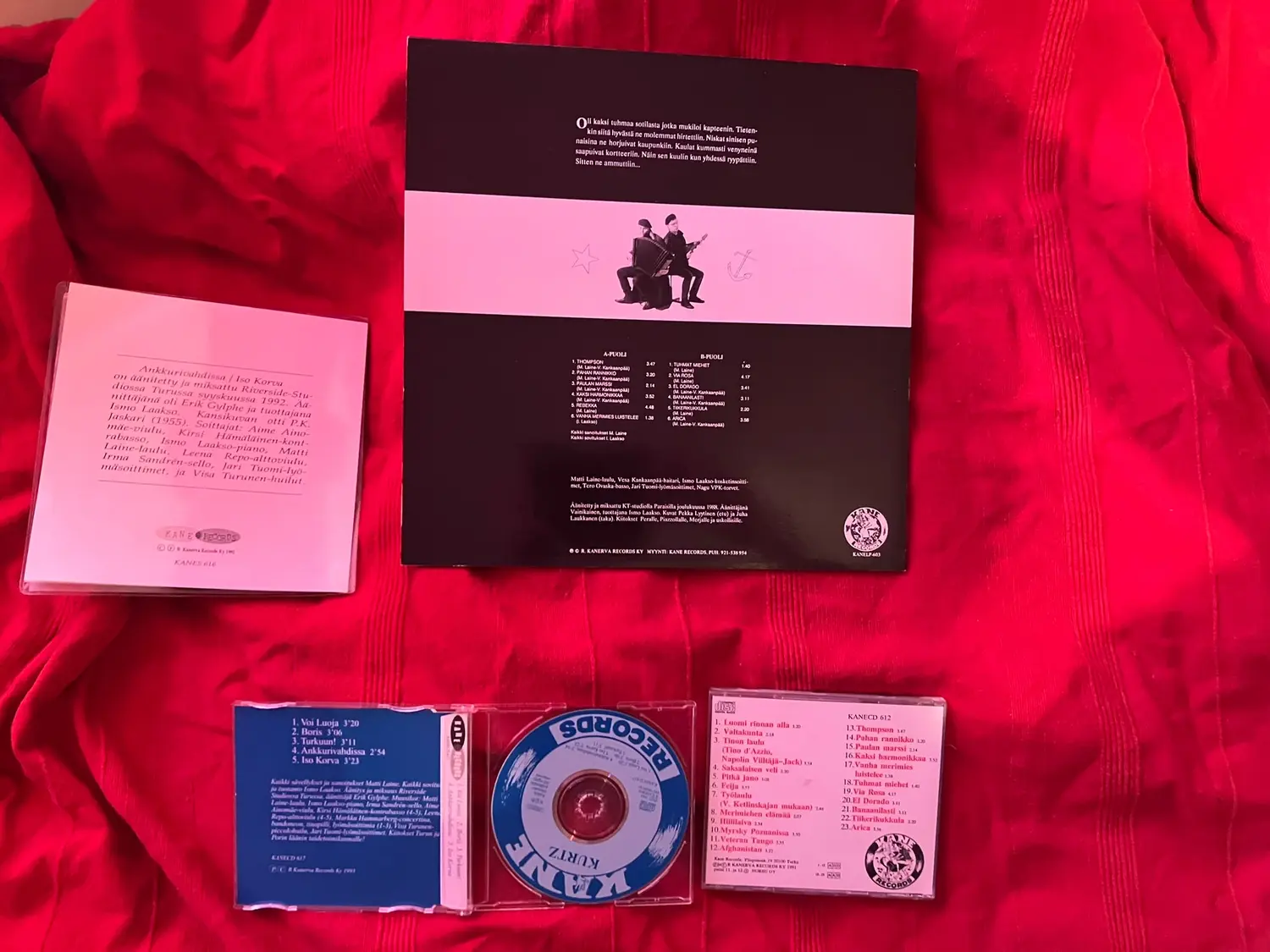
The band released Merimiehen elämää (1989), Valtakunta (1991), the single Ankkurivahdissa / Iso Korva (1992) and the CD-EP Turkuun! (1993). Its line-ups included Matti Laine, Jari Tuomi, Tero Ovaska, Vesa Kankaanpää and Ismo Laakso, with Markku Hammarberg on bandoneon, tin whistle and other instruments, and later a string ensemble. Tuula Amberla and Olli Pohjola also appeared as guests.
Kurtz never formally disbanded; its activity simply faded away. The story now continues: Laakso is mixing a concert recording made in Turku in 1995, probably at the Ars Nova café. Featuring a string quartet with Irma Sandrén and four songs sung by Tuula Amberla from Kapteeni Ahab, the live album is planned for release in autumn 2026.